
Infantilised
Society’s creeping descent into infantilisation

Have you noticed how, in many aspects of everyday life, you’re no longer treated as a mature, capable adult but instead as an irresponsible child who constantly and increasingly needs guidance and protection?
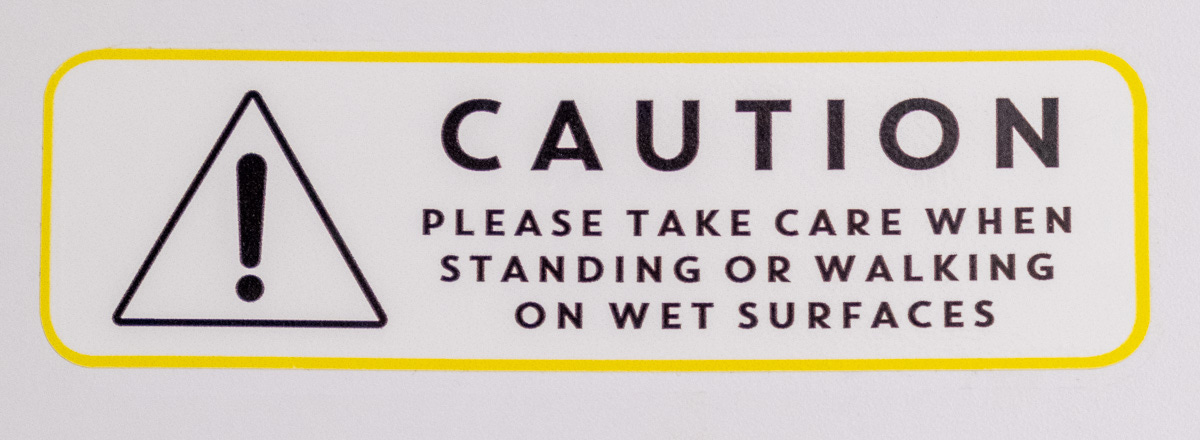
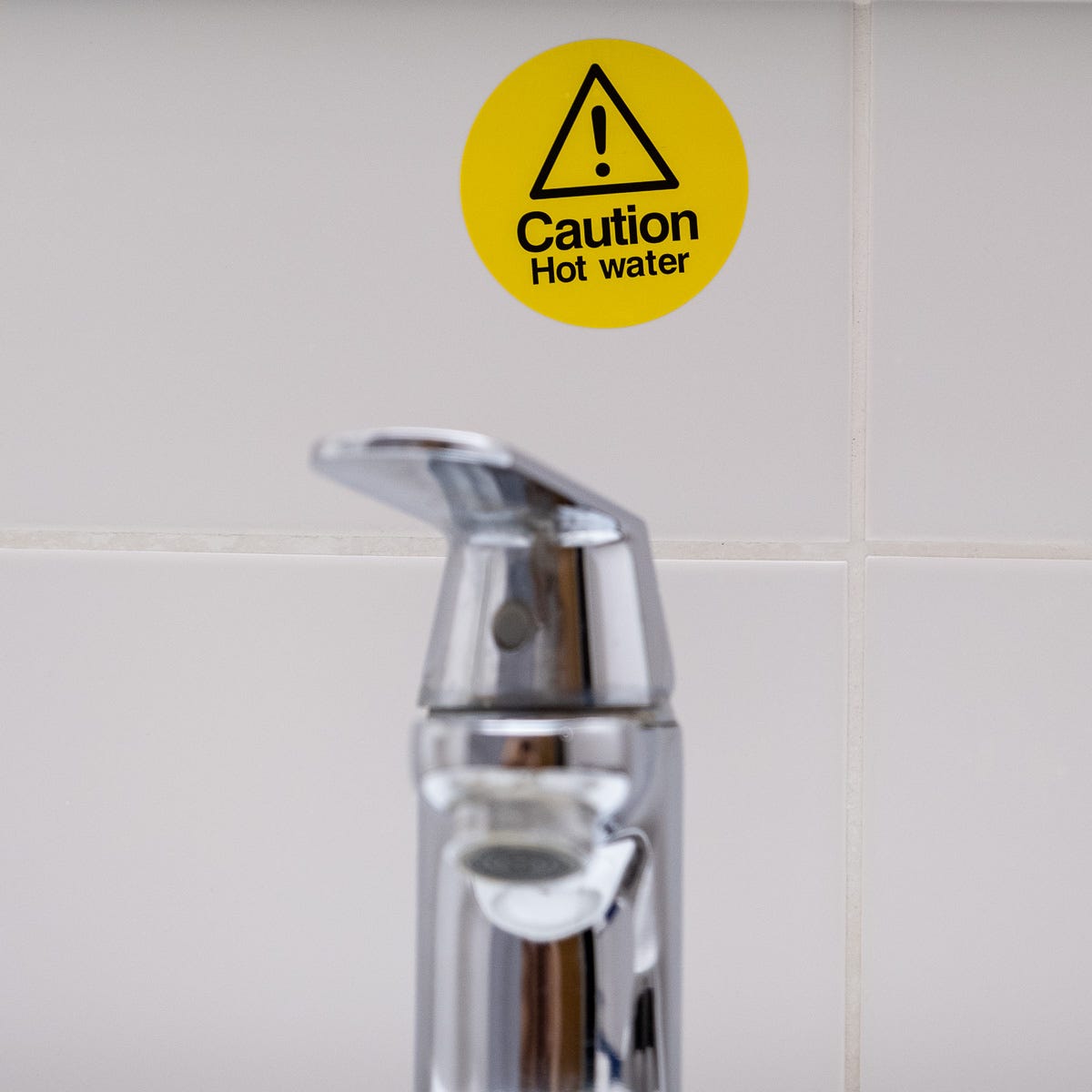
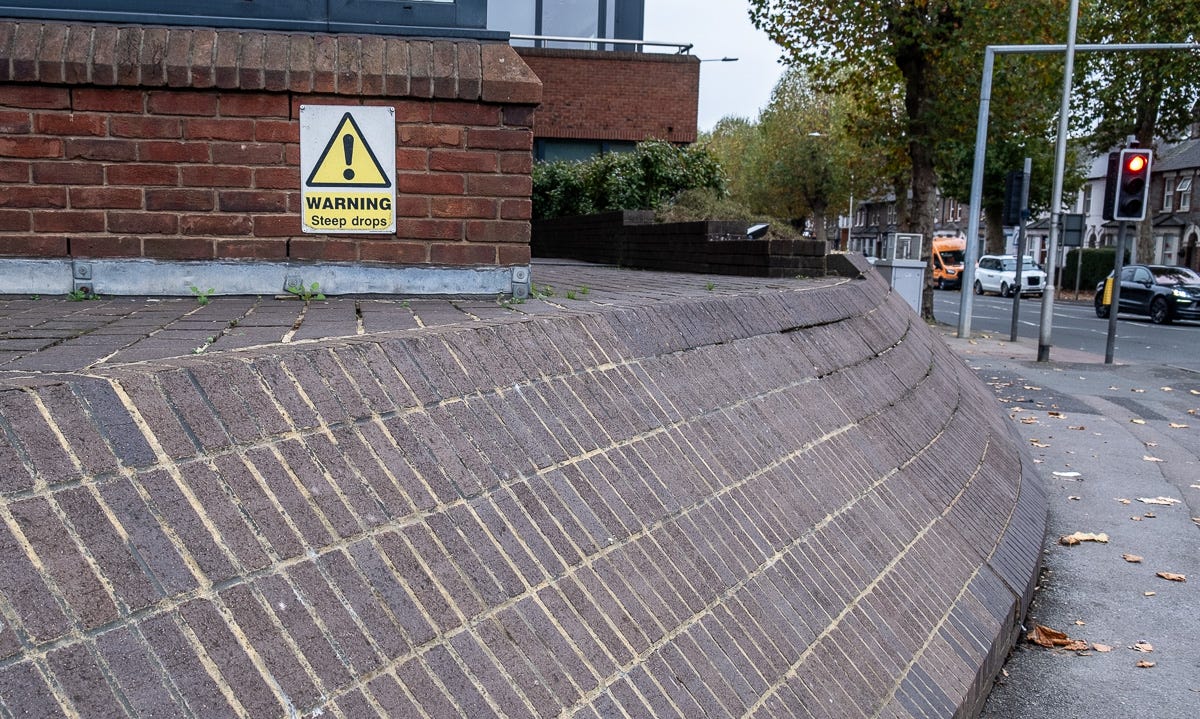
I thought I was pretty much on my own in wanting to hurl something at the BBC website for it’s puerility. Whilst writing this I randomly went to their Home Page to find that Molly-Mae Hague (whoever she is) is ‘shocked by Tommy Fury Split’.

Meanwhile the same UK government propaganda outfit still doesn’t even discuss the possibility that the war in Ukraine is a USA/Western inspired proxy war to weaken Russia. It couldn’t be that they want people in such a permanent child-like state that they never ask awkward questions that challenge the agenda?
However, I started reading the book Infantilised: How Our Culture Killed Adulthood by Keith J. Hayward and realised that I’m not alone. I’d urge you to read the book if you want to know more about everything from the normalisation of infantilism on reality TV to the rise of a new class of political 'infantocrat'. The chapter on education is particularly worrying. See my comments on universities below.
The thing that did strike me was just how infantile people were during the scamdemic. How they stood in line 6 feet apart as teacher demanded, how they snitched on their classmates for not obeying the rules, how they obeyed any instructions however bizarre such as ‘you can only have a pint in the pub if you buy a Scotch egg’. This was the world of the primary school and people were so child like that they went along with it.
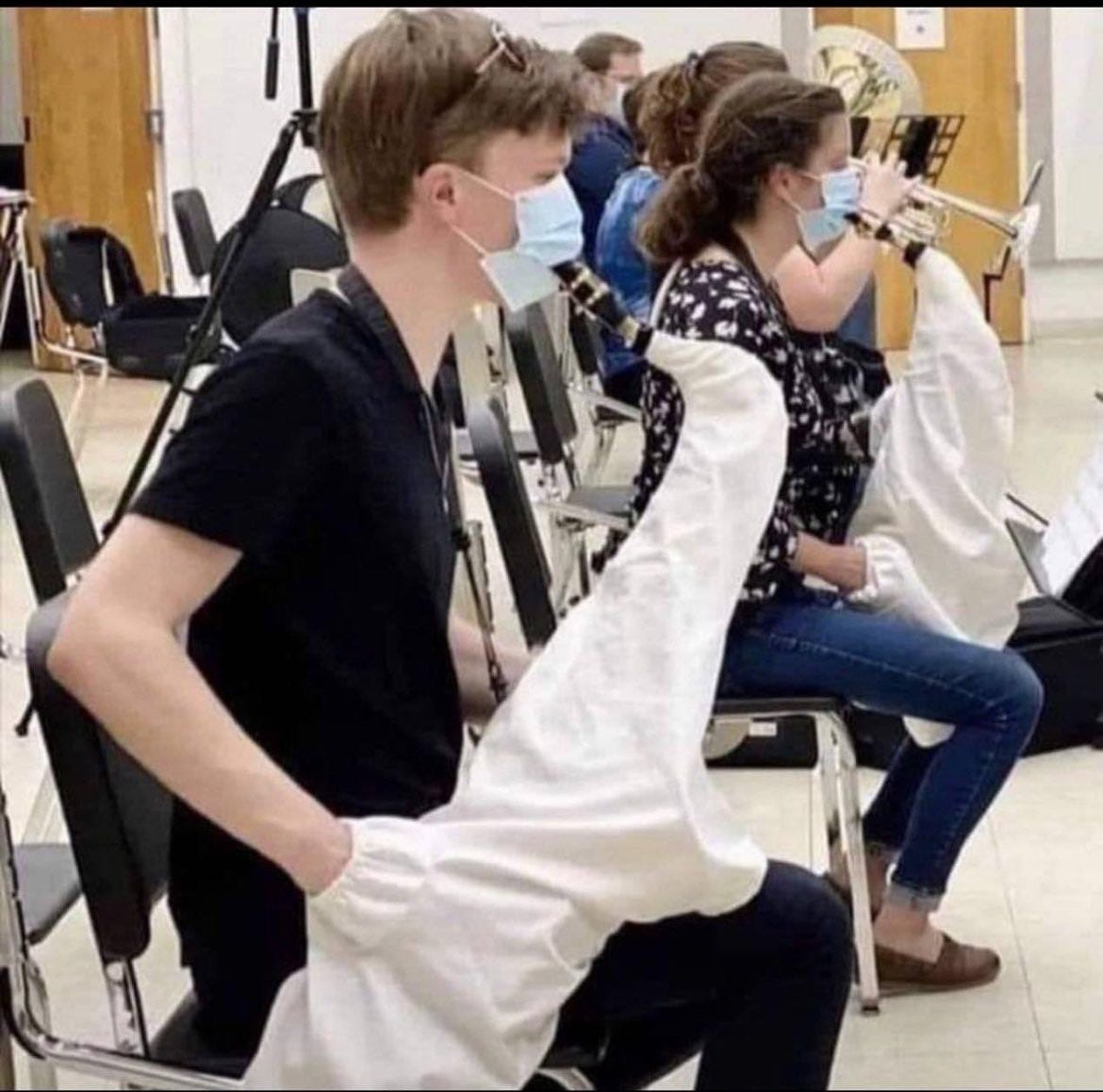
This myriad of bonkers rules during Covid were designed for scaremongering or control rather than practicality or science. Adults became children and were treated like children who could not use common sense.
There is, it appears, a worldwide epidemic of infants in positions of political power, and everyone is telling everyone else to grow up. Remember William Hague’s ill-fated promotional strategy that involved plunging down a theme park waterslide wearing a baseball cap with his own name on it and bragging about downing fourteen pints of beer a day as a teenager?
Donald Trump is probably the biggest child politician of them all saying ‘they started it’ to excuse his behaviour and labelling others as ‘just being jealous’ when they criticise him.
It is normal, apparently, for British MPs in Parliament to engage in shouting matches, interruptions and banter, which can resemble children’s playground behaviour rather than adult debate.
Edit. Right on cue the leader of one of the UK’s political parties has just posted this video at a time when the world is on the potential brink of nuclear war and Britih MP’s are debating a bill to legalise assisted dying.
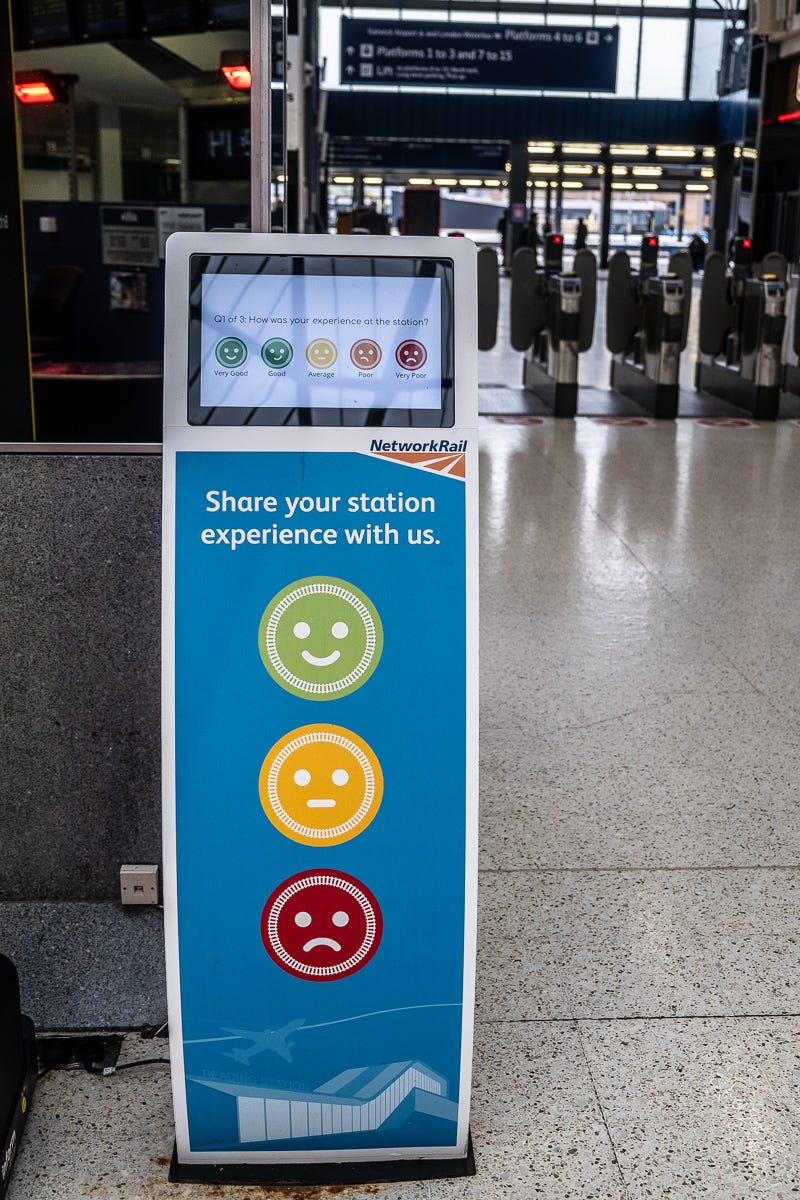
Once you start looking for it you see it everywhere.
It seems that teenagers these days do not want to grow up. Someone posted the other day that the Hobbit was too difficult for teenagers to read.
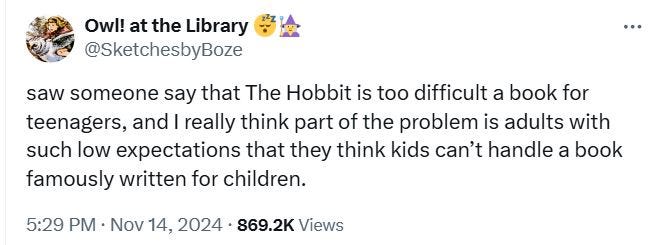
I was never an academic child, but by around the age of 9 or 10 I had read the Hobbit, but now apparently it is too difficult for someone several years older.
As a child, I’d cycle for miles to spend entire days fishing at local pools. Today, parents would likely face scrutiny from Social Services for letting a child venture so far unsupervised, especially on main roads and near water. Those experiences—building dens, racing homemade carts down hills, or even falling into farm ponds off makeshift rafts, as I did—were invaluable lessons in resilience and problem solving. They prepared us for life in ways that today’s overprotected, sanitised childhoods cannot.
Now, children are sheltered from the real world, kept in a perpetual state of dependence. Their every tantrum is met with a paid expert or therapist to soothe them. This bubble wrapped existence has grown so extreme that many now believe they can decide to be a boy, a girl, or both, depending on how they feel, and people like me are labeled "cruel" for pointing out biological realities. This infantilised mindset is actively encouraged by teachers and therapists who have never left their own childlike bubbles. They behave just like children themselves—throwing tantrums and stamping their feet when faced with dissent from people like me who ‘call them out’.
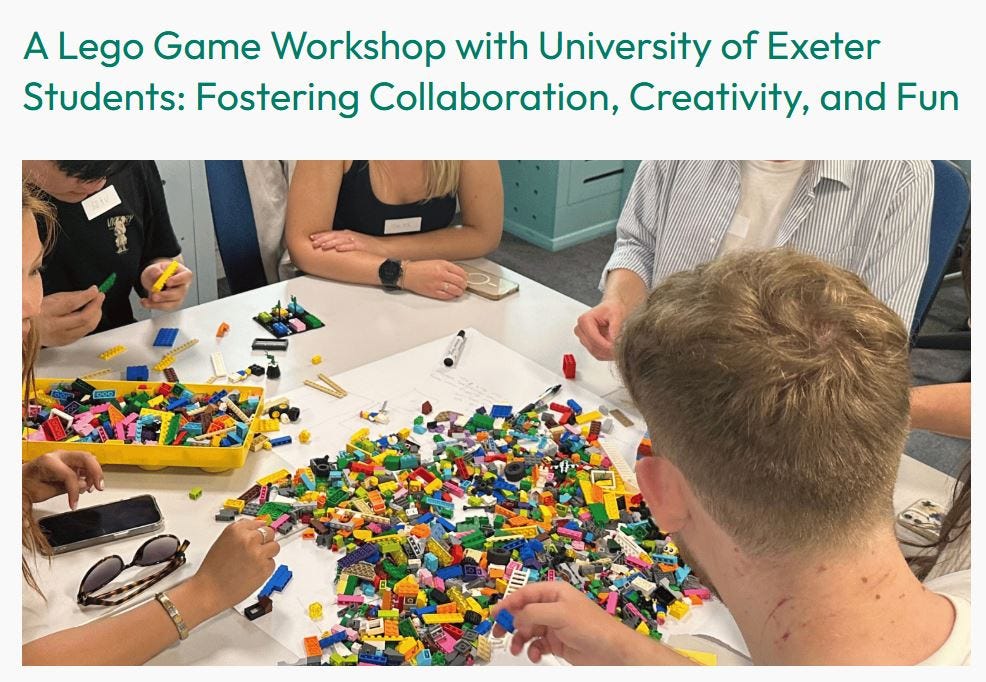
The chapter on education in the book Infantilised paints a bleak picture of the UK’s learning environment. Education has been so dumbed down that even universities resemble kindergartens. Some now have Lego rooms where “creativity flows freely” with “no right or wrong answers.” That phrase alone—“no right or wrong answers”—says everything you need to know about the state of our childlike education system.
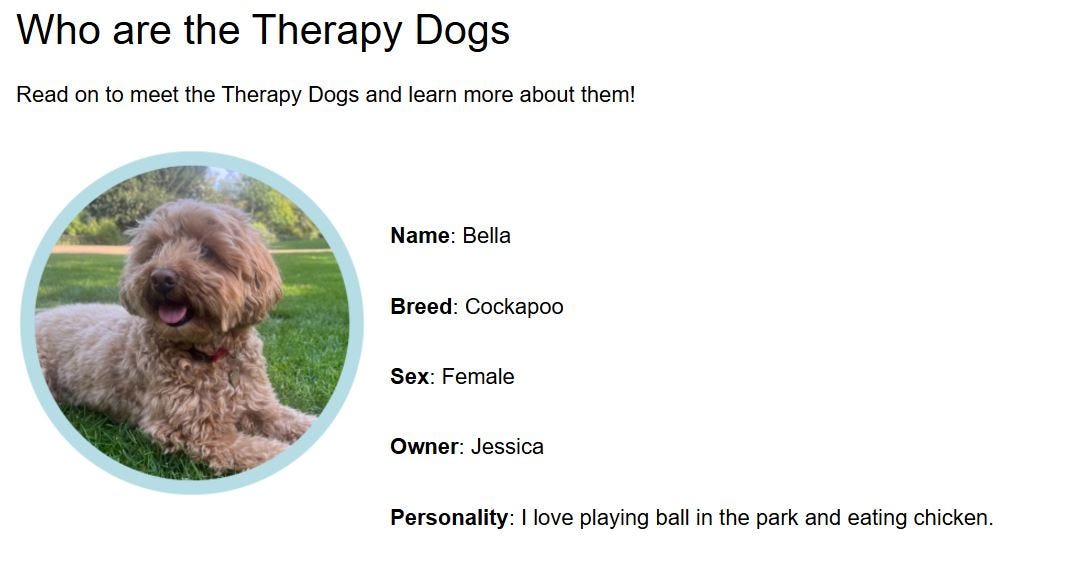
My son’s Alma Mater, University College London, now has therapy dogs complete with a web page of their cute pictures.
University was once a gateway to adulthood, a place where young people transitioned into the responsibilities and independence of the adult world. Today, however, it feels more like a holding pen for students, milked for tuition and accommodation fees while being kept in a prolonged state of childhood dependency. Many remain perpetually tethered to their digital teats (smartphones), engrossed in their screens and disconnected from the world around them in just the same way that cartoons are put in front of petulant infants at meal times. Walk past any major UK university, and you'll see students glued to their devices, seemingly unable to function without them. For many, their phones are not just tools but crutches: a source of comfort, a stimulant, and mechanisms of control.
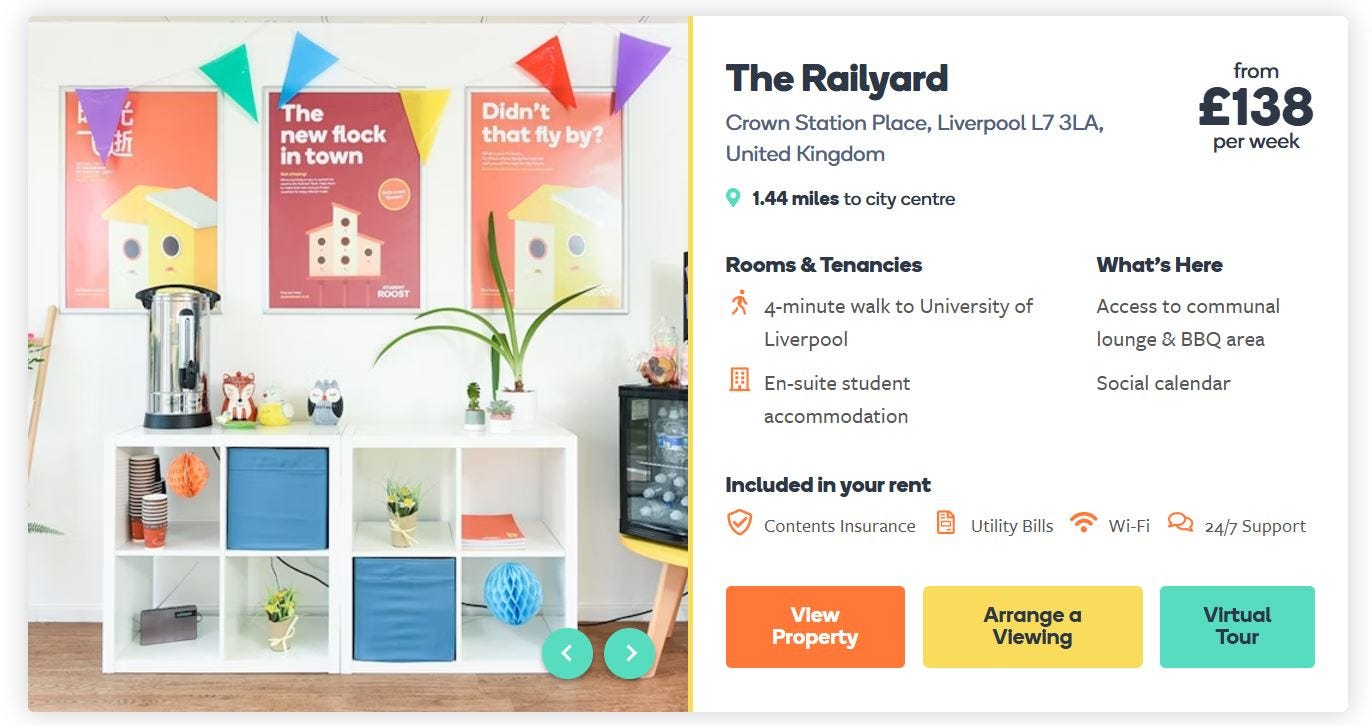
Even the design of some student accommodation reflects this infantilisation, with spaces resembling primary school environments rather than places meant to foster growth, maturity, and independence. This is an advert for student accommodation in Liverpool. Many are also given childish names like ‘The Roost’ or ‘The Nest’.
The question that must be asked is, has this come about by chance and a gradual laxity of professionalism, academic rigour and standards or is it by design? For a perpetually child like population, cannot think critically, are easy to control and certainly do not want to address issues that make them feel uncomfortable and anxious.
I know where my money is in that debate.